Cane Grip Styles: A Complete Guide to Choosing the Right Walking Cane Handle
Choosing the right cane grip style is important for comfort, balance, and ease of use. Different walking cane handles are designed to provide different levels of support, comfort, and control. Whether you need a cane for everyday walking, additional stability, or simply want a stylish walking stick, understanding the available grip styles can help you make the right choice.
Why Cane Grip Style Matters
The handle is one of the most important parts of a walking cane because it supports your hand and transfers weight through the cane. A comfortable grip can help reduce hand fatigue and provide better control while walking.
When choosing a cane grip, consider:
- Comfort and hand position
- Grip strength
- Wrist support
- Cane weight
- Frequency of use
- Personal style
Popular Cane Grip Styles
1. Derby Cane Grip
The Derby cane grip is one of the most popular handle styles. It features a curved design that fits naturally into the palm and provides a comfortable place to rest the hand.
Derby handles are suitable for everyday use and are available in a wide range of materials, colors, and decorative finishes.
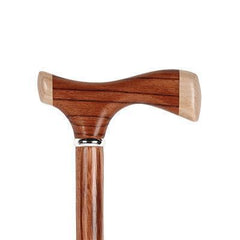
2. Fritz Cane Grip
The Fritz handle features a gently curved design that provides excellent palm support. Its shape helps distribute pressure more evenly across the hand.
This style is particularly popular among people looking for a comfortable handle for regular walking.
3. Offset Cane Grip
An offset cane grip positions the handle so that the user's weight is more directly aligned with the shaft of the cane. This design can provide improved balance and stability.
Offset handles are commonly found on adjustable and medical walking canes.
4. Crook Cane Handle
The traditional crook handle has a curved, hook-like shape. It is a classic design often associated with traditional wooden walking sticks.
One benefit of a crook handle is that it can easily be hung over a chair, table, or arm when the cane is not being used.
5. Palm Grip Handle
A palm grip cane is designed to provide broad support across the palm rather than concentrating pressure in a small area.
These handles can be a good option for users who want additional comfort and a more supportive hand position.
6. T-Handle Grip
The T-handle cane has a horizontal grip that provides a straightforward and secure hand position. It is commonly used on lightweight and modern walking canes.
This style can be particularly appealing to users who prefer a simple, contemporary design.
7. Ergonomic Cane Grip
An ergonomic cane grip is shaped to follow the natural contours of the hand. Many ergonomic handles are made with soft rubber, foam, or other comfortable materials.
They are designed to reduce pressure points and provide a comfortable grip during longer periods of use.
How to Choose the Right Cane Grip
The ideal cane grip depends on your individual requirements.
For everyday use: Derby and Fritz handles are popular choices.
For additional stability: Offset handles can provide better weight alignment.
For traditional style: Crook handles offer a timeless appearance.
For hand comfort: Ergonomic and palm grips can provide broader support.
For modern designs: T-handles offer a simple and practical option.
Cane Grip Materials
Cane handles are available in several materials, including:
- Hardwood
- Rubber
- Acrylic
- Metal
- Carbon fiber
- Leather
Wooden handles are popular for their traditional appearance, while rubber and ergonomic materials are often chosen for comfort and grip.


Comments
Post a Comment